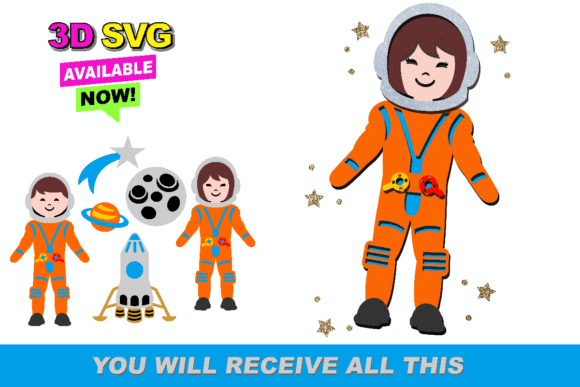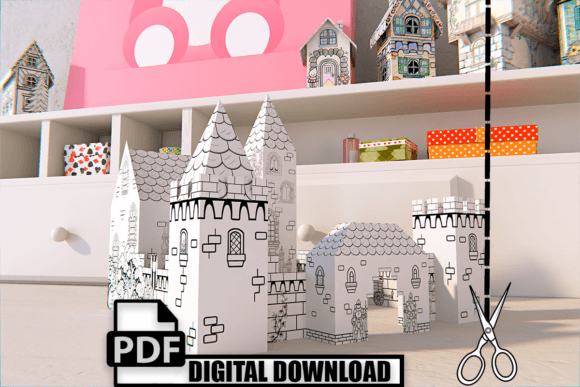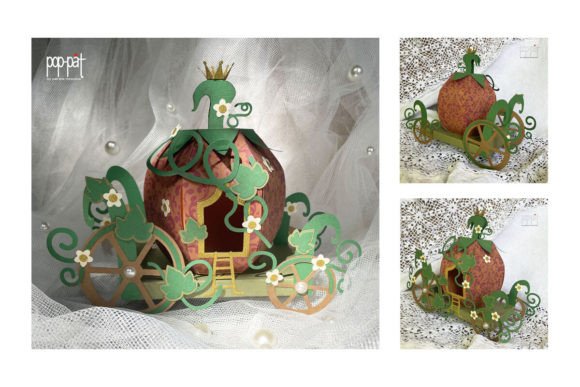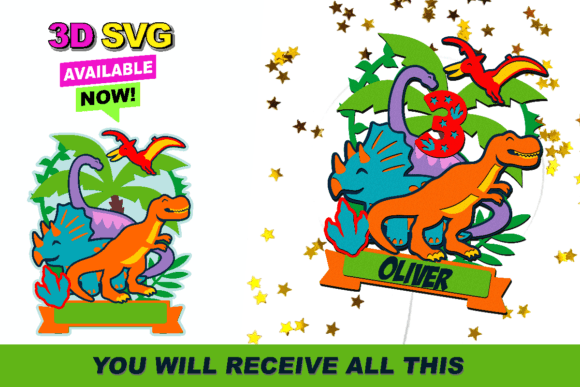
Paper Doll 3D SVG Shapes
As a graphic designer working on branding, marketing visuals, and printable products, I often seek out high-quality design assets that can elevate a project without overwhelming it. Paper Doll, a 3D SVG collection, caught my attention for its clean lines, playful structure, and potential to enhance a variety of creative projects. This review explores how it performs in real-world design scenarios and whether it’s a solid choice for client work.
First Impressions: A Playful Yet Polished Visual Language
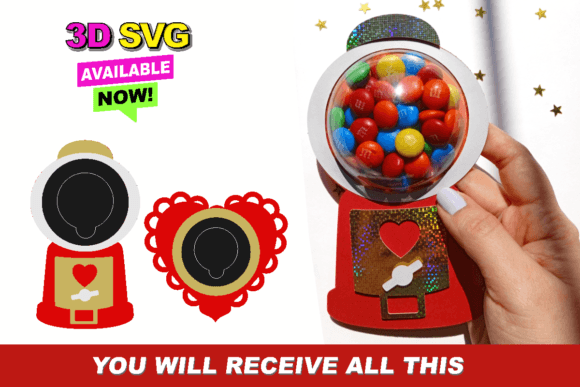
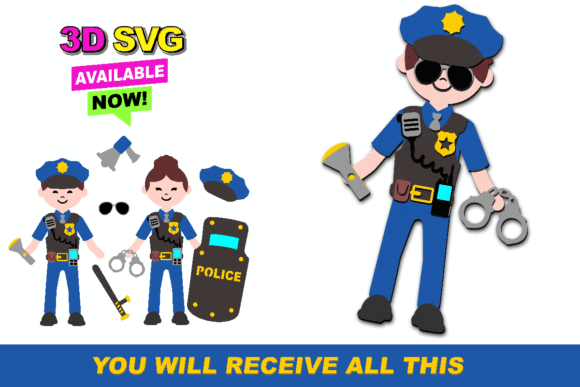
The first thing I noticed about Paper Doll is its visual tone—soft yet structured, with a handcrafted feel that leans into the handmade business aesthetic. The shapes are stylized but not overly complex, making them adaptable for both digital and physical applications. It feels like a design asset that could fit seamlessly into a seasonal campaign, a boutique product line, or a small business branding effort. The 3D SVG format gives it depth without being too busy, which makes it ideal for projects that need a touch of dimensionality without sacrificing clarity.
For a client looking to add visual interest to their packaging design or social media graphics, Paper Doll offers a fresh alternative to generic clipart. Its style is modern enough for contemporary brands but still retains a nostalgic charm that appeals to a broad audience.
Real-World Design Applications
When considering Paper Doll for a client project, I immediately thought of its versatility across different mediums. In logo design, it could serve as a subtle accent or a central element, especially for brands that want to convey creativity and craftsmanship. For brand identity, the shapes could be used as recurring motifs in stationery, website graphics, or merchandise like t-shirts and mugs.
In packaging design, Paper Doll could be a great addition to product labels or box art, particularly for a handmade or artisanal brand. As a sticker design element, it would stand out on a cluttered layout while maintaining visual harmony. For a Canva template or a Cricut project, the SVG format ensures precision when cutting materials, making it a practical choice for crafters and print-on-demand sellers.
It also has strong potential in editorial design, where it could act as a decorative element in blog visuals or magazine layouts. In web design, it could be used as a background element or an interactive feature, adding a unique touch without compromising usability.
Where Paper Doll Excels
Paper Doll shines in large layout areas, such as hero graphics or product mockups, where its 3D structure can be fully appreciated. It works well as a themed collection, helping to unify a set of designs around a cohesive visual language. For a seasonal campaign or a local event, it could serve as a consistent design element across multiple platforms, from posters to social media posts.
Its ability to function as a supporting brand element makes it ideal for projects that need a bit of flair without overshadowing the main message. Whether it's used in a Pinterest pin, an Instagram post, or a digital ad, Paper Doll adds a layer of visual interest that enhances the overall composition.
Where to Use It Carefully
While Paper Doll is visually appealing, it may not be the best choice for minimalist branding or professional corporate materials where simplicity and clarity are key. In crowded layouts, its 3D structure could become distracting, reducing readability and visual hierarchy. Similarly, on low-contrast backgrounds, it might not stand out as effectively as a simpler design.
For commercial design or print-on-demand projects, it’s important to test how the shapes look in black and white and on different color schemes. If used in a digital ad or a website graphic, ensuring proper contrast and scalability is crucial for maintaining a polished appearance.
Design Considerations for Client Projects
Before using Paper Doll for a client, I always recommend testing it in various contexts. Preview it at small and large sizes to see how it scales. Place it on real mockups to gauge how it interacts with other design elements. Check the file formats—SVG for vector editing and PNG for raster use—and confirm if the transparency is clean if needed.
Also, compare it with different font styles to ensure it complements the typography. For a handmade business or a small business branding project, the playfulness of Paper Doll could be a strong asset, but it should align with the overall brand voice and visual identity.
Lastly, make sure the commercial license covers the intended use. If the client plans to sell products using this design, verifying the licensing terms is essential to avoid any legal issues down the line.
Final Thoughts: A Useful Creative Asset
Paper Doll is a solid design asset for creatives looking to add a touch of dimension and personality to their work. Its 3D SVG format makes it versatile for both digital and physical applications, and its playful style fits well with handmade businesses, seasonal campaigns, and creative marketplaces.
As a designer, I appreciate how it balances aesthetics with functionality. It’s not a one-size-fits-all solution, but when used thoughtfully, it can elevate a project and help create a more engaging visual experience. Whether you're working on a t-shirt design, a product mockup, or a social media graphic, Paper Doll has the potential to add value to your creative process.